Climbing Mount Kilimanjaro, Africa’s tallest peak, is one of the most rewarding adventures in the world. Choosing the right time to climb is key to your overall experience—weather, visibility, and trail conditions can make the difference between a comfortable trek and a challenging journey.
Kilimanjaro can be climbed year-round, but the mountain has distinct dry and rainy seasons that greatly influence trekking conditions. Below is a month-by-month overview to help you decide when the timing is right for your climb.
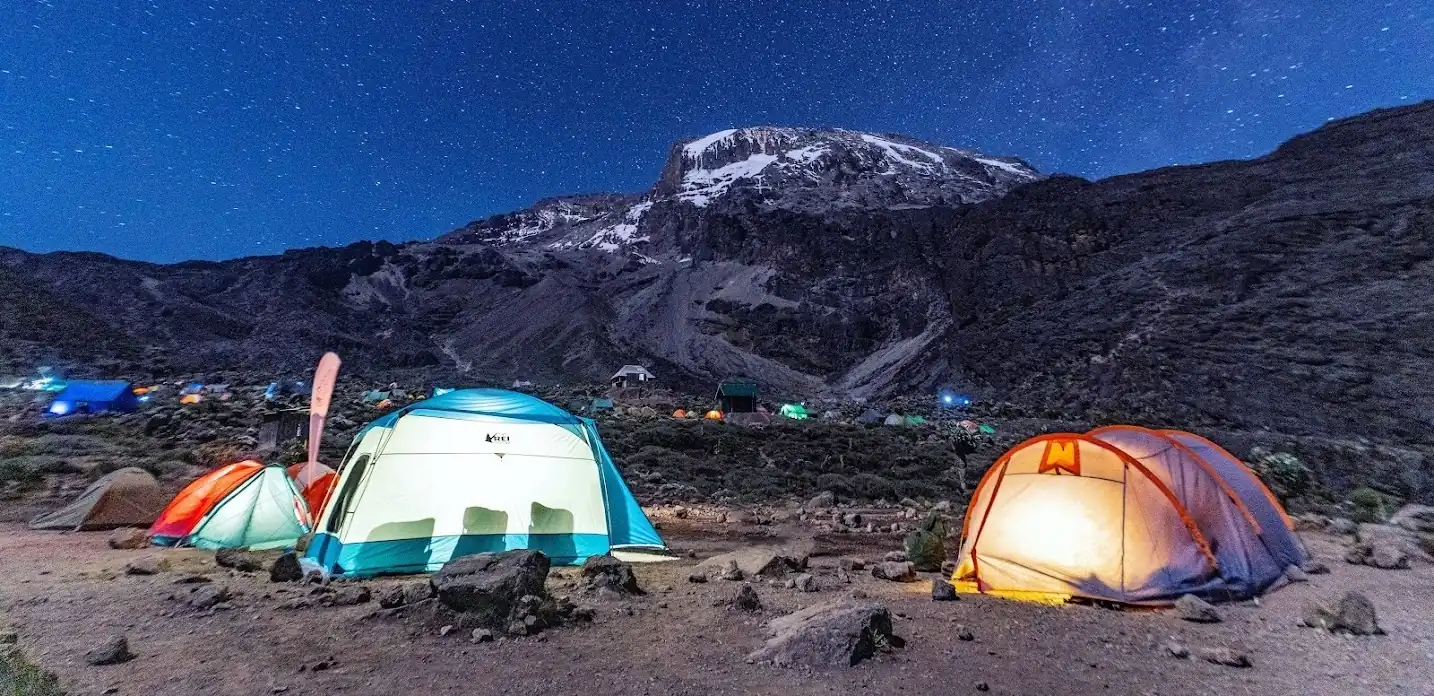
Best Month to Climb Kilimanjaro | A Month-by-Month Overview
Unlike the Himalayas, Kilimanjaro is open year-round for trekking. However, most climbs are not recommended during April, May, and November due to the rainy seasons. Here’s what you can expect month by month:
January and February to Early March
-
Conditions: Excellent trekking weather with clear skies, dry trails, and good visibility. Occasional showers and chances of snow above 4,200m (14,000 ft) add dramatic beauty to the climb.
-
Crowds: Busy, but generally quieter than the mid-year high season.
-
Best For: Hikers who want a balance of fewer crowds, dry weather, and stunning summit views with snow.
March, April, and May
-
Conditions: Early March may still have decent conditions, but as the month progresses, heavy rains begin. Trails become muddy, skies clouded, and visibility limited.
-
Unsuitable Period: April and most of May fall in the long rainy season, making it the least favorable time.
-
Best For: Experienced trekkers who can handle unpredictable weather. The northern routes (Rongai or Northern Circuit) are slightly drier.
June, July, August, and September
-
Conditions: Widely considered the best trekking season with dry, stable weather and excellent visibility. Nights are colder, especially in June and July.
-
Crowds: The busiest season, coinciding with summer holidays in Europe and the US. Expect popular routes like Machame and Marangu to be crowded.
-
Best For: Climbers who want the best chance of summit success and don’t mind the crowds. For fewer people, June or September are ideal.
October and November
-
Conditions: November brings the short rains, usually light and mostly in the afternoons. Trails are quieter, and conditions are still manageable for prepared trekkers.
-
Routes: The Rongai and Northern Circuit routes are recommended as they lie on the drier northern side of the mountain.
-
Best For: Climbers seeking solitude and those willing to trek with some rainfall in exchange for quieter trails.
December
-
Conditions: December often has mixed weather—some rain early in the month, but clearer conditions toward Christmas and New Year. Trails begin to get busier as holiday travelers arrive.
-
Best For: Adventurers looking for a festive climb during the holiday season with a chance of fresh snow on the summit.
Balancing Weather and Crowds
Your choice of climbing season should depend on whether you prefer dry, predictable conditions or a quieter mountain with fewer trekkers. For first-time climbers, the dry months (January–March or June–October) are the most recommended. Experienced trekkers, however, may appreciate the solitude of the off-peak seasons.

Why Climb with Eastland Adventures
No matter which season you choose, reaching the summit of Kilimanjaro requires the right guidance and support. Eastland Adventures offers expert-led climbs with professional local guides, top-quality camping equipment, and personalized itineraries designed to maximize your summit success. Whether you want the clear skies of January, the peak season energy of July, or the quiet trails of November, Eastland Adventures ensures your Kilimanjaro journey is safe, enjoyable, and unforgettable.