What is the Weather on Mt. Kilimanjaro?
Mount Kilimanjaro, Africa’s highest peak, is one of the most iconic trekking destinations in the world. Before planning your climb, understanding the weather is essential for both safety and enjoyment. Kilimanjaro’s weather is unique due to its towering elevation, location near the equator, and varied climatic zones. Trekkers experience everything from lush rainforests to arctic-like glaciers, making preparation for the weather a key part of your adventure.
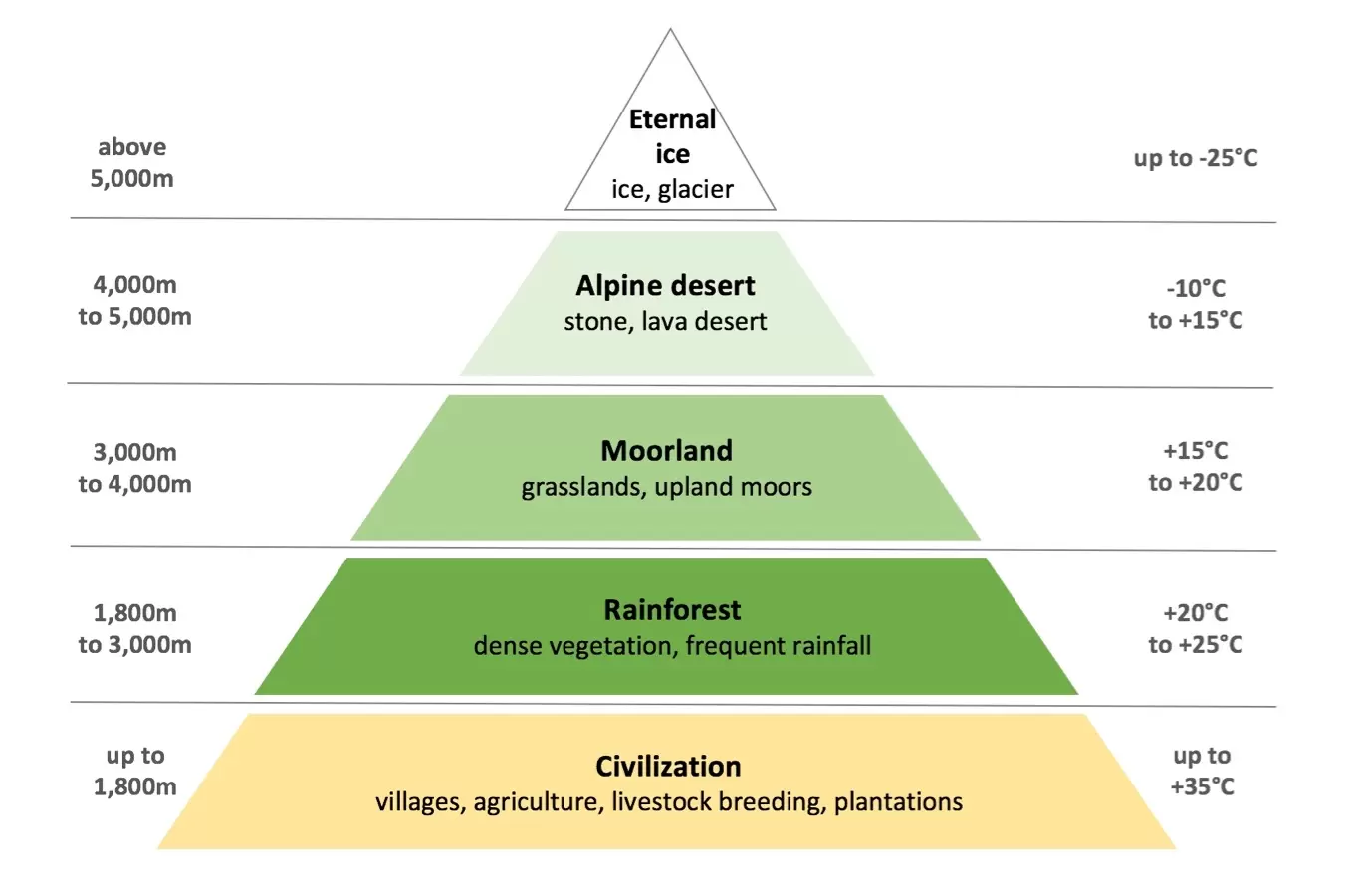
Climatic Zones on Kilimanjaro
Kilimanjaro’s slopes are divided into five distinct climatic zones, each with its own weather patterns:
-
Bushland/Grassland Zone (1,800–2,800m): The lower slopes are warm and humid, with occasional rain showers. Daytime temperatures can reach 20–25°C (68–77°F), while nights are cooler.
-
Montane Forest Zone (2,800–3,400m): Dense rainforest covers this region. Expect damp conditions, frequent rain, and muddy trails. Temperatures are mild, typically between 15–20°C (59–68°F).
-
Heath and Moorland Zone (3,400–4,000m): Vegetation becomes sparse, and temperatures drop. Nights can fall below freezing, and daytime weather is often windy and cloudy.
-
Alpine Desert Zone (4,000–5,000m): The terrain is rocky and dry. Temperatures can swing dramatically, ranging from -5°C (23°F) at night to 15°C (59°F) during the day. Weather is generally dry but very sunny.
-
Arctic/Glacial Zone (5,000–5,895m): The summit area is cold and icy. Temperatures regularly drop below -10°C (14°F), and strong winds make conditions feel much colder. Snow and frost are common, and storms can develop quickly.
Rainfall Patterns and Seasons
Kilimanjaro has two main rainy seasons. The long rains occur from April to May, and the short rains typically fall in November. Rain can make trails muddy and slippery, especially in the forested lower zones, and visibility may be limited. The dry seasons—January to March and June to October—offer the most stable weather, clear skies, and higher chances of summit success.
Even during the dry seasons, weather on the mountain can be unpredictable. Afternoon clouds, sudden rain showers, or high winds can occur, particularly above 3,500 meters. For this reason, climbers should always be prepared with layered clothing and waterproof gear.
Temperature Variations
Temperatures on Kilimanjaro can vary dramatically, not only by zone but also by time of day. Lower elevations are warm during the day but can become cool at night, while the summit is freezing both day and night. It’s important to dress in layers that can be added or removed depending on conditions. Proper gear includes a warm jacket, thermal base layers, gloves, hats, and sturdy waterproof boots.
Preparing for the Weather
Understanding Kilimanjaro’s weather helps you pack appropriately, avoid discomfort, and increase your chances of a successful climb. Bring sun protection for lower altitudes, warm clothing for higher zones, and rain gear for unpredictable showers. Hydration and proper nutrition are also key, as cold and high-altitude conditions increase your body’s energy needs.
Climb Kilimanjaro Safely with Eastland Adventures
Weather on Kilimanjaro can be challenging, but with the right guidance, it becomes manageable. Eastland Adventures specializes in planning treks that consider seasonal weather, route selection, and climber experience. Our expert guides monitor conditions closely and adjust itineraries to keep you safe and comfortable. With Eastland Adventures, you can focus on enjoying the journey—from lush forests to glacial peaks—knowing that every detail has been planned with your safety and success in mind.